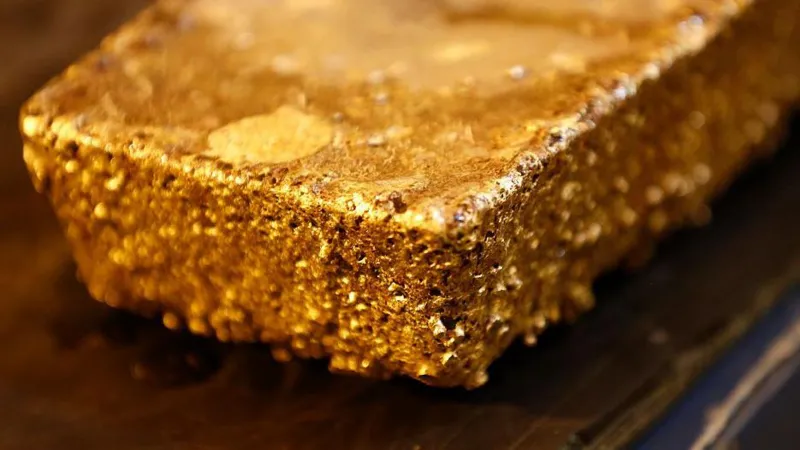
Guinea has officially stopped the export of unrefined gold as part of a new strategy to strengthen its mining sector and increase economic growth. The government wants more gold to be processed inside the country before it reaches international markets.
President Mamadi Doumbouya announced the decision after meeting with industrial and artisanal gold producers, traders, and buyers. The policy took effect immediately and aims to create jobs, increase revenue, and keep more value within Guinea’s economy.
Guinea Focuses on Local Gold Processing
President Doumbouya said Guinea can no longer allow other countries to benefit from processing its raw materials. According to him, gold mined in Guinea should be refined locally before export.
The government believes local processing will generate more employment opportunities and support industrial development. It also expects the move to increase earnings from the country’s gold sector.
New Refinery Near Completion in Conakry
To support the new policy, Guinea is preparing to launch a major gold refinery in the capital city, Conakry. The facility is close to completion and will process gold produced across the country.
Reports indicate the refinery can handle up to 250 tonnes of gold annually. This capacity is more than enough to process Guinea’s current production levels.
Authorities reported that Guinea exported over 22 tonnes of gold during the first quarter of this year. Once the refinery becomes fully operational, that gold will be processed domestically before reaching foreign markets.
Mining Companies Face Strict Rules
The government has warned mining companies and gold traders to follow the new regulations. Officials stated that companies violating the export ban could lose their operating licenses.
Authorities may also terminate mining contracts if firms fail to comply with the directive. The government hopes these strict measures will ensure the success of the policy.
Growing Trend Across Africa
Guinea is not the first African country to introduce such reforms. Several nations have already taken steps to increase local processing of minerals and metals.
Tanzania and Uganda currently ban the export of unprocessed minerals, including gold and copper. Ghana also plans to prohibit raw gold exports by 2030.
Meanwhile, Zimbabwe, Africa’s leading lithium producer, will ban lithium concentrate exports from 2027. The country aims to expand its battery materials industry and retain more economic value at home.
Guinea’s Important Role in Global Mining
Guinea ranks as Africa’s sixth largest gold producer, according to the World Gold Council. The country also holds the position of the world’s largest producer of bauxite, the key raw material used to manufacture aluminium.
With the new gold export policy, Guinea hopes to strengthen its industrial base, attract investment, and maximize profits from its natural resources. The move marks a significant step in the country’s effort to build a stronger and more self-sufficient economy.