Students voice concern over AI future during graduation speech
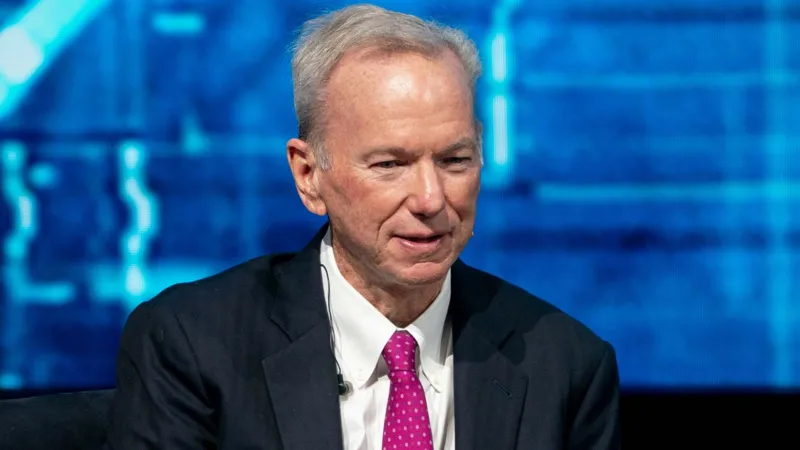
Former Google chief executive Eric Schmidt faced strong reactions from students during a graduation ceremony at the University of Arizona after speaking about artificial intelligence and its growing role in society. Many graduates expressed discomfort as he compared the current AI surge to earlier waves of computing change.
As jeers spread through the audience, Schmidt acknowledged the reaction and said he understood the concerns. He told students that their worries were reasonable, especially with how fast AI is moving into workplaces and education.
AI compared to past technology shifts
Schmidt explained that artificial intelligence follows the same pattern as earlier technology revolutions. He said past changes also created fear, but eventually reshaped industries and job markets.
He encouraged graduates not to step away from AI but to learn how to engage with it. He added that the next phase of progress depends on how young professionals choose to shape these tools.
Growing anxiety among students
The reaction at the ceremony reflects wider concern among students and young job seekers. Many worry that AI could reduce entry level job opportunities or change the skills needed in the workplace.
A recent education survey found that a large number of students are reconsidering career paths due to automation risks.
Similar reactions at other universities
Schmidt was not the only speaker to face backlash while discussing artificial intelligence at graduation events.
At the University of Central Florida, business speaker Gloria Caulfield received boos after describing AI as the next major industrial shift.
Public concern continues to grow
Broader public opinion shows similar hesitation. A large share of adults in the United States report feeling more worried than excited about the spread of artificial intelligence in everyday life.
Another survey from a research organization found that only a small portion of people feel mostly excited about AI, while many remain cautious about its long term impact.