
The UK government has introduced a new defence spending plan worth £270 billion over the next four years. The investment aims to strengthen the armed forces, modernise military equipment, improve national security, and prepare the country for future security challenges.
The package includes an additional £15 billion for defence. Government officials describe it as one of the biggest increases in military investment in decades. However, opposition parties and defence analysts believe more funding may still be needed to meet the military’s long term requirements.
Defence Budget Set for Major Increase
Under the new plan, annual defence spending will increase from £54 billion in 2024 to around £80 billion by 2029. The government says this investment will improve military readiness and help the armed forces respond to changing global threats.
The latest funding package also includes an extra £1.5 billion secured after the new defence leadership took office. Despite the increase, reports suggest the Ministry of Defence still faces a funding gap of about £28 billion compared with its original budget requests.
Defence Spending Remains Below NATO Target
Although the new budget represents a significant increase, the UK’s defence spending is expected to reach 2.7% of GDP by 2030. This figure remains below NATO’s long term target of 3% of GDP.
Several NATO members currently spend a larger share of their economy on defence. The United States allocates about 3.2%, Germany spends approximately 3.7%, while Russia continues to invest more than 7.5% of its GDP as it expands its military capabilities.
Military Strategy Focuses on Modern Technology
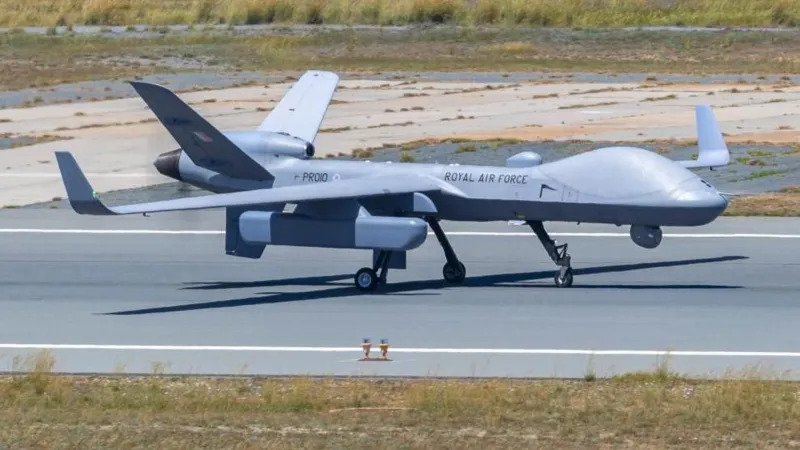
The new strategy places greater emphasis on modern warfare. Instead of relying mainly on expensive traditional equipment, the government plans to invest more in drones, autonomous systems, and advanced technologies.
Military planners developed this approach after studying recent conflicts, including the war in Ukraine and rising tensions across the Middle East. Officials believe these technologies will improve operational flexibility and allow the military to respond more quickly during future conflicts.
£63 Billion Investment in Nuclear Deterrence
The government will spend £63 billion to maintain and strengthen the UK’s nuclear deterrent. The funding will support nuclear submarines, warheads, and the infrastructure required for continuous at sea deterrence.
The plan also includes the purchase of F35A fighter aircraft capable of carrying tactical nuclear weapons under NATO’s nuclear sharing arrangements. Defence officials expect these aircraft to enter service later this decade.
Continued Military Support for Ukraine
The government has allocated £11 billion to replace weapons and ammunition previously supplied to Ukraine. This funding will restore the UK’s military stockpiles while ensuring continued support for Ukraine’s defence efforts.
Previous military assistance included NLAW anti tank missile systems and other equipment. The government also replaced donated AS90 self propelled artillery systems by purchasing modern Swedish Archer artillery systems.
Debate Over Future Defence Funding
The government says the investment will strengthen national security and prepare the armed forces for future challenges. Critics, however, argue that the current budget may not fully support long term military modernisation or meet future NATO spending expectations.
As global security risks continue to evolve, the success of the UK’s defence spending plan will depend on how effectively the investment improves military readiness, modernises equipment, and strengthens the country’s defence capabilities.