US and Iran Ease Tensions After Exchange of Strikes
The United States and Iran have agreed to step back from further military action after several days of rising tensions and missile exchanges. A US official confirmed that both sides have decided to “stand down” following recent attacks around the Strait of Hormuz.
According to the official, commercial ships can now travel through the strategic Gulf waterway without restrictions. Officials also plan to continue diplomatic talks aimed at reaching a long term agreement to prevent future conflict.
Iran Rejects Technical Talks as Trump Announces Doha Meeting
Despite reports of upcoming negotiations, Iran’s Deputy Foreign Minister Kazem Gharibabadi denied that technical talks were scheduled for this week.
However, US President Donald Trump announced that Iran had requested a meeting. He said senior officials would meet in Doha, Qatar, to continue discussions. Trump shared the announcement on his Truth Social platform but did not reveal further details.
White House Press Secretary Karoline Leavitt later confirmed that US Special Envoy Steve Witkoff and Jared Kushner would travel to Doha for high level meetings. She said both sides would continue discussions on the Memorandum of Understanding.
Memorandum of Understanding Aims to End Conflict
On June 17, the United States and Iran signed a 14 point Memorandum of Understanding. The agreement called for an immediate and permanent end to military operations on all fronts.
As part of the deal, Iran committed to making every effort to ensure the safe passage of commercial ships through the Strait of Hormuz for 60 days without charging additional fees.
Fresh Attacks Put Ceasefire Under Pressure
Although both countries reached a ceasefire less than two weeks ago, fresh attacks quickly increased tensions again.
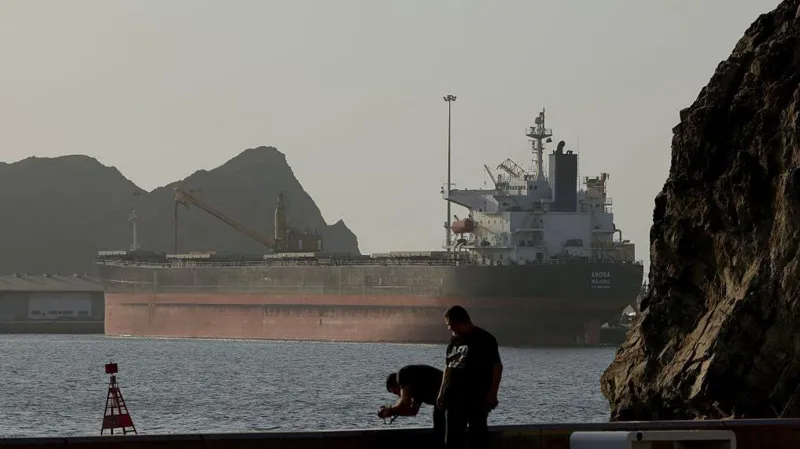
The latest violence began after an Iranian projectile struck a cargo ship in the Strait of Hormuz on Thursday. In response, the United States launched strikes on several Iranian targets. US Central Command said the operation responded directly to continued threats against commercial shipping.
Iran later launched strikes toward US military bases in Kuwait and Bahrain. US officials stated that the attacks failed to hit their intended targets. They also confirmed that no casualties or property damage occurred.
Strait of Hormuz Remains Critical for Global Trade
The Strait of Hormuz remains one of the world’s most important shipping routes for oil and natural gas exports. Earlier this year, Iran effectively closed the waterway after military action involving the United States and Israel increased regional tensions.
The recent agreement to keep shipping lanes open has eased concerns about disruptions to global energy supplies.
Israel and Lebanon Peace Efforts Face Challenges
The United States also helped broker a framework agreement between Israel and Lebanon to support long term regional peace.
However, tensions remain high in southern Lebanon. Hezbollah’s leader rejected the agreement and accused the Lebanese government of weakening the country’s sovereignty. His comments have raised fresh doubts about the future of the ceasefire.
Outlook
Although both sides have agreed to stand down for now, the situation remains fragile. Diplomatic talks in Doha could play a key role in reducing tensions and preventing another round of military conflict in the region.