WHO Starts Ebola Treatment Trial
The World Health Organization (WHO) has launched a clinical trial to test two potential treatments for the Bundibugyo strain of Ebola. The first patient has already joined the study in the Democratic Republic of Congo (DRC), marking an important step in the fight against the ongoing outbreak.
WHO Director General Tedros Adhanom Ghebreyesus announced the development during a press briefing in Geneva. He said researchers hope the new treatments will improve survival rates and provide doctors with effective tools against the virus.
Although many patients recover with supportive medical care, experts believe proven treatments could save many more lives during future outbreaks.
Outbreak Continues Across the Region
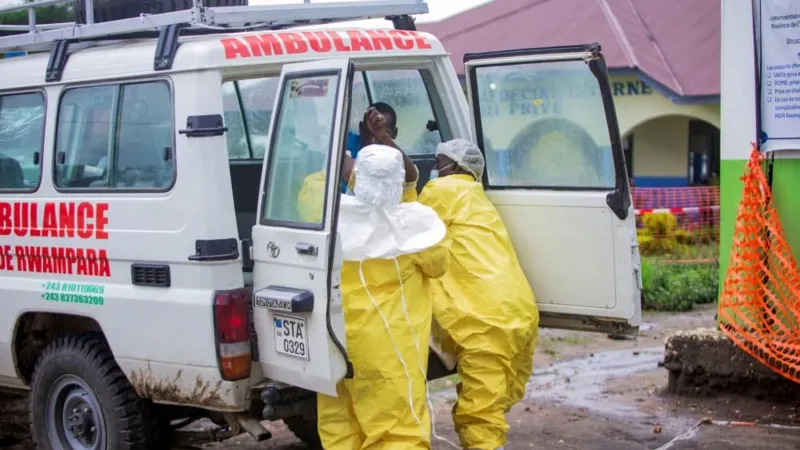
The latest Ebola outbreak began in May and continues to affect both the Democratic Republic of Congo and Uganda. The WHO has declared the situation a Public Health Emergency because of the growing number of infections.
As of June 30, health officials confirmed 1,406 Ebola cases in the DRC. Authorities are also investigating another 301 suspected infections. So far, the outbreak has claimed 438 lives in the country.
Uganda has confirmed 20 cases and reported two deaths. In addition, France has recorded one confirmed case linked to the outbreak.
No Approved Treatment for Bundibugyo Strain
Scientists currently have no approved vaccine or treatment specifically designed for the Bundibugyo strain of Ebola. This makes the new clinical trial especially important for global public health.
The WHO sponsors the study in partnership with the Institut National de Recherche Biomédicale in the DRC, the Institute of Tropical Medicine in Belgium, and the University of Oxford in the United Kingdom. Researchers from these organizations will evaluate whether the two experimental treatments are safe and effective.
Health experts hope the results will help improve medical care during future Ebola outbreaks.
How Ebola Spreads
Ebola is a severe viral disease that attacks the body’s immune system and vital organs. The virus usually circulates among animals, especially fruit bats. Human outbreaks often begin after people come into contact with infected animals or their body fluids.
People do not spread Ebola before symptoms appear. Symptoms usually develop between two and twenty one days after infection. Once symptoms begin, the virus can spread through direct contact with the blood or other bodily fluids of an infected person.
Health officials continue to encourage early detection, quick isolation of patients, and proper infection control measures to reduce transmission.
Global Health Experts Continue Monitoring the Situation
Medical teams remain focused on controlling the outbreak while researchers work to identify effective treatments. The launch of this clinical trial offers new hope that better therapies could reduce deaths caused by the Bundibugyo strain in the future.
Health authorities also continue to strengthen surveillance, improve patient care, and monitor new cases to prevent the virus from spreading further.