Early morning hike in Vidigal
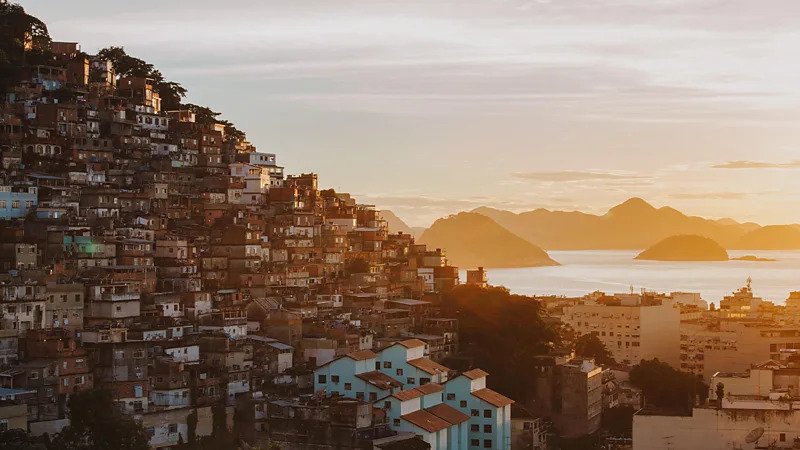
It is early morning in Rio de Janeiro, just before sunrise. Soft orange light spreads across the sky and reaches the Atlantic Ocean. From the top of Two Brothers mountain, visitors gather in large numbers to watch the view.
A guide named Ana Lima leads a group to the site. She points out that the area feels like a special viewing spot because of the crowd. Tourists from many countries stand close together, waiting for the sunrise.
To reach the viewpoint, visitors wake up around 03:30. They travel to Vidigal, a hillside community known for its dense housing and strong local culture. From there, motorcycle taxis carry people up narrow roads. The ride is fast and steep. Visitors then walk through forest trails before reaching the top.
Rising tourism in Vidigal and Rocinha
In recent years, favela areas like Vidigal and Rocinha have become popular travel destinations. These communities once had a strong reputation for danger, which kept outsiders away for decades.
Over time, city efforts to improve security changed access to these areas. Local authorities increased police presence before major global events such as the World Cup and the Olympics.
By 2024, visitor numbers grew sharply. Reports showed that Vidigal and Rocinha attracted more international tourists than famous Rio landmarks like Christ the Redeemer and the Selarón Steps.
Many travelers now choose these neighborhoods to see daily life in Rio from a different angle. Visitors walk through stairways, observe local streets, and interact with community spaces. They also enjoy wide views of the city from the hills.
Safety and ethics debate
Tourism in favelas raises strong questions about safety and respect. Some travelers see these visits as a way to understand real life in Rio beyond beaches and tourist zones.
Others question whether visiting these communities turns everyday life into a tourist attraction. Local voices also discuss how tours should respect residents and avoid disruption.
Guided tours play a key role. Responsible guides help visitors move safely and explain local customs. They also help ensure visitors do not interfere with private spaces.
What travelers experience
Visitors often describe the experience as intense and eye opening. The combination of early morning hikes, crowded viewpoints, and close contact with local life creates a strong impression.
Some travelers come for photography. Others want cultural understanding. Many leave with a different view of Rio, shaped by direct exposure to its hillside communities.