Colombia has entered a new political phase after Abelardo de la Espriella secured a narrow victory in the presidential election. Early results show a close contest that reflects a deeply divided electorate.
Abelardo de la Espriella won the race with about 49.7 percent of the vote based on initial counting. His main opponent, Iván Cepeda, received around 48.7 percent.
The result marks a major shift in leadership style and national priorities.
Campaign Focus on Security and Armed Groups
De la Espriella built his campaign on promises of stronger security measures. He committed to tougher action against illegal armed groups, drug trafficking networks, and rising crime levels.
He told supporters that a new phase had begun for the country and described his victory as a mandate for change. He also said he would govern for all citizens and respect the constitution.
Political Tensions and Public Reaction
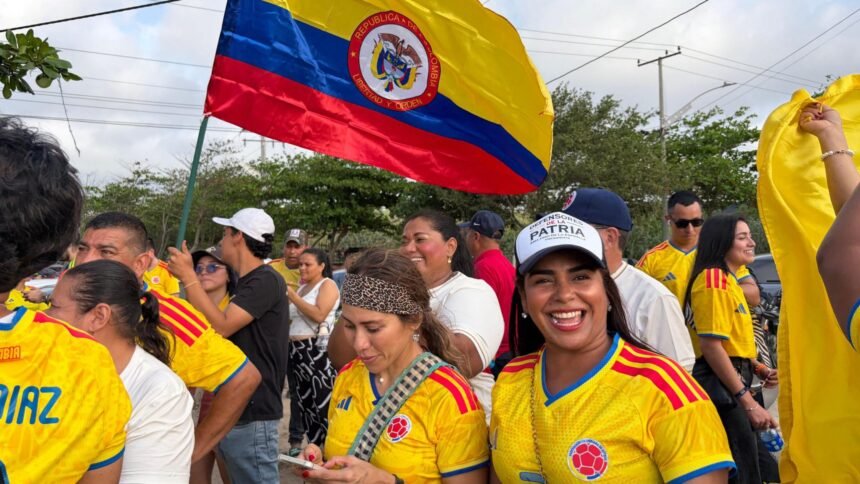
Supporters gathered in large numbers in coastal cities, celebrating the outcome with flags, music, and public events. Many expressed hope for improved safety, more jobs, and stronger governance.
Some supporters used slogans inspired by US political messaging, showing the influence of international political branding during the campaign. The victory speech emphasized unity, despite the close result.
Gustavo Petro supporters and critics of de la Espriella also voiced concern about how the narrow margin could deepen political divisions across the country.
Opposition Response and Election Concerns
Iván Cepeda did not immediately accept defeat. He stated that the preliminary count was not final and said official verification must take place before any conclusion is accepted.
His supporters expressed concern about the country’s political divide. They highlighted the importance of protecting democratic processes and maintaining public calm during the transition.
Despite the tension, early reports indicated that public spaces remained largely peaceful.
What Comes Next for Colombia
The final results will depend on official validation procedures. Observers expect continued political debate as both sides assess the outcome.
The incoming leadership faces pressure to address violence, economic concerns, and national unity at the same time.