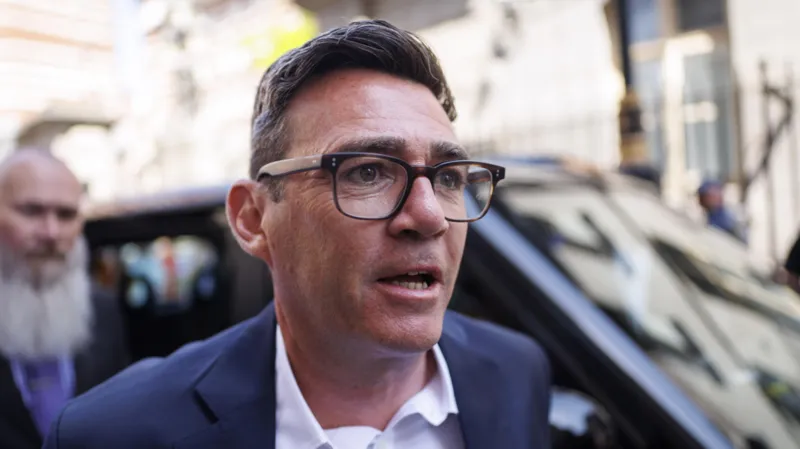
Labour has announced a fast-track schedule to elect its next leader following Sir Keir Starmer’s resignation. The timetable could allow Andy Burnham to become both Labour leader and prime minister as early as 17 July.
Burnham currently appears to be the strongest candidate in the race. If no other Labour MP secures enough support to challenge him, he could take over leadership within a matter of weeks.
Labour Unveils Leadership Election Schedule
Labour’s governing body has outlined the process for selecting the party’s next leader. Candidates can begin collecting MP nominations on 9 July and must reach the required threshold by 15 July.
Those who qualify must then secure support from affiliated organizations, including trade unions, by 16 July.
If only one candidate meets all requirements, Labour will announce the new leader at a special party conference on 17 July. Following that announcement, the King would formally appoint the new prime minister.
Membership Vote Possible if More Candidates Enter
The situation could change if additional candidates enter the contest and secure enough backing.
In that case, Labour members and affiliated supporters would vote between 6 August and 27 August. The party would then announce the final result on 29 August.
At present, Burnham remains the only confirmed candidate, which strengthens the possibility of an early leadership transition.
Burnham Gains Strong Support Across Labour
Burnham declared his intention to run shortly after Sir Keir stepped down on Monday.
Several prominent Labour figures have already endorsed his campaign. Supporters include Chancellor Rachel Reeves, Foreign Secretary Yvette Cooper, Education Secretary Bridget Phillipson, and Health Secretary James Murray.
Former Health Secretary Wes Streeting also decided not to run and instead backed Burnham’s bid for the leadership.
Meanwhile, Darren Jones has ruled out entering the race. Former Armed Forces minister Al Carns has not yet confirmed whether he plans to stand.
Political observers believe Burnham may attract enough nominations to prevent any rival candidate from reaching the required threshold.
Starmer Seeks Smooth Transfer of Power
Although Sir Keir Starmer has announced his resignation, he will remain prime minister until Labour elects a new leader.
He has emphasized the importance of an orderly transition and has authorized civil servants to meet potential leadership candidates. These meetings aim to help candidates prepare for the responsibilities of government.
Government officials have rejected suggestions that the administration has become ineffective during the transition period. They insist ministers continue to carry out their duties while the leadership contest unfolds.
What Happens Next?
The coming weeks will determine whether Burnham faces competition or secures an uncontested victory.
If no challenger emerges, Labour could install a new leader and prime minister on 17 July. If the race becomes contested, party members will have the final say in August.
For now, Burnham remains the clear favorite to lead Labour into its next chapter.