
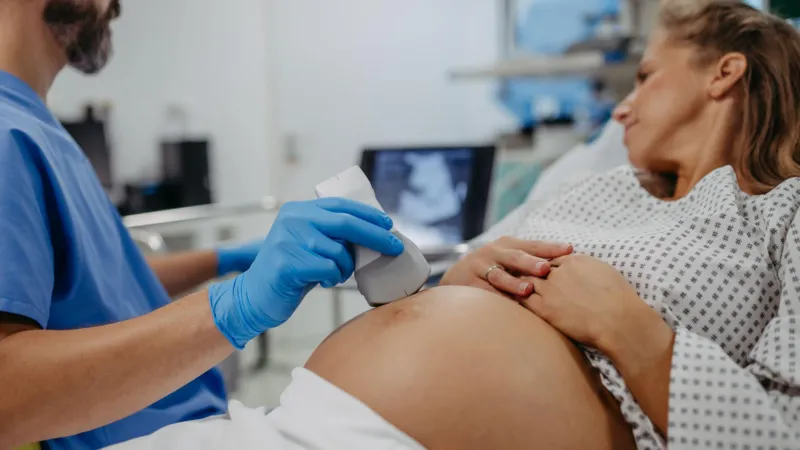
The UK government has announced a series of reforms to improve maternity care after an independent review revealed widespread failures across NHS maternity services. The report found that many women and babies received poor care during pregnancy, childbirth, and the postnatal period. It also highlighted long standing issues such as discrimination, staff shortages, and weak accountability.
Independent Review Reveals Serious Concerns
The review, led by Baroness Valerie Amos, concluded that many women felt ignored when they raised concerns about their care. According to the findings, racism and discrimination remain deeply rooted in parts of the maternity system. Many families also reported that healthcare providers failed to listen to them or take their concerns seriously.
The report described these problems as widespread and called for urgent action to improve patient safety, communication, and trust within maternity services.
Government Announces New Improvement Plan
In response to the findings, Health Secretary James Murray announced several measures to strengthen maternity care across England.
The government will introduce new national standards for emergency maternity care. It will also create 1,000 temporary midwifery positions during the current year to help reduce pressure on existing staff.
In addition, officials have allocated £41 million to upgrade maternity and neonatal facilities that require urgent improvements.
These steps aim to improve patient safety, increase staffing levels, and provide better care for mothers and newborn babies.
Families Raise Concerns About Proposed Commissioner
One of the report’s recommendations is the creation of a national maternity commissioner to oversee improvements across the healthcare system.
However, some families questioned whether giving one person such a large responsibility would solve the ongoing problems. Emily Barley, whose daughter Beatrice died at Barnsley Hospital in 2022, said concentrating so much authority in one position could create new challenges instead of fixing existing ones.
Several family support groups also expressed disappointment with the review. They argued that it focused too heavily on staff perspectives while giving less attention to the experiences shared by affected mothers and families.
Some campaigners also noted that the report did not fully address birth injuries caused by forceps deliveries or the long term effects of post traumatic stress on parents.
Safety Experts Call for Wider Reform
Leading maternity safety investigator Donna Ockenden welcomed the effort to gather evidence but said the report did not reveal anything that experts had not already identified through previous investigations.
She also questioned whether a single commissioner could successfully oversee such a large healthcare system. According to her, meaningful change will require broader reforms involving multiple organisations rather than relying on one individual.
Another respected patient safety expert, Dr Bill Kirkup, reportedly stepped down as one of the review’s clinical advisers after disagreeing with some of its conclusions.
Government Faces Pressure to Deliver Lasting Change
The report has increased pressure on the government to improve maternity services and restore public confidence. Families, healthcare experts, and patient advocates are now urging ministers to move quickly and ensure that promised reforms lead to lasting improvements.
Many believe stronger leadership, better staffing, modern facilities, and greater accountability will be essential to protecting mothers and babies in the future.