Massive Defence Budget Plan Announced
The White House has proposed a major increase in the US defence budget, aiming to raise it to $1.5 trillion. This would be one of the largest military spending expansions since World War II.
The plan reflects President Donald Trump’s long-standing focus on strengthening national defence and boosting military production inside the country.
Focus on Military Strength and New Systems
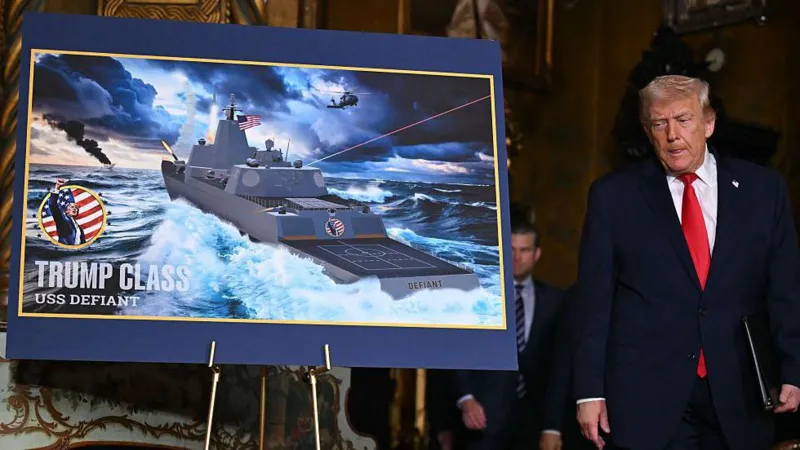
A key part of the proposal includes funding for the “Golden Dome” missile defence system. The administration also plans to expand naval production, including a new generation of warships known as Trump-class battleships.
The government has allocated $65.8 billion specifically for shipbuilding. These efforts are part of a broader strategy to modernize the US military and improve its global position.
Golden Fleet and New Warships
The proposal highlights the development of a “Golden Fleet” of advanced naval vessels. Officials revealed that construction of the first ship, USS Defiant, will begin soon.
The administration expects the first ships to become operational within two and a half years. These vessels are designed to be heavily armed and technologically advanced.
Additional Funding Through Special Process
Out of the total budget, around $1.1 trillion will go toward Pentagon discretionary spending. This marks the highest level ever recorded.
Another $350 billion will support the defence industrial base. Lawmakers may approve this portion through budget reconciliation, which allows passage with a simple majority in the Senate.
Domestic Spending Cuts Proposed
Alongside the defence increase, the administration plans to reduce domestic spending. Non-defence budgets would drop by about 10%, which equals roughly $73 billion.
The cuts could affect climate initiatives, housing programmes, and education funding. Officials argue that these reductions will remove what they describe as wasteful or unnecessary spending.
Shift of Responsibility to States
President Trump has suggested that some responsibilities should move from the federal government to individual states. He mentioned programmes like healthcare and childcare as areas where states could take more control.
He emphasized that national security should remain the top priority.
Concerns Over Global Competition
Administration officials have warned that the US is falling behind China in shipbuilding capacity and production. This concern has driven the push for increased investment in military infrastructure and manufacturing.
The proposal aims to close this gap and strengthen the country’s defence capabilities.