
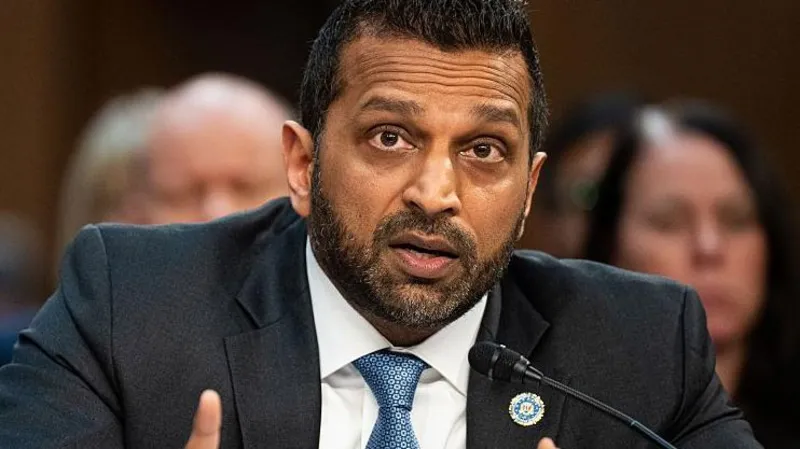
Kash Patel has filed a $250 million defamation lawsuit against The Atlantic, claiming the publication printed false and damaging allegations about his conduct in office.
The lawsuit argues that the magazine published claims that harmed his reputation. These claims include accusations of excessive drinking and unexplained absences from duty. Patel says these statements are completely untrue and were designed to force him out of his position.
Allegations at the Center of the Dispute
The article in question relied on unnamed sources. It suggested that Patel’s behavior could pose risks to public safety and national security.
In response, Patel strongly rejected these claims. He stated that the report included “fabricated allegations” with no factual basis.
His legal team also claims the publication failed to follow fair reporting practices. According to the lawsuit, the magazine gave only two hours to respond to detailed allegations. It also allegedly ignored a pre-publication letter sent by Patel’s lawyer.
The Atlantic Stands by Its Reporting
Despite the lawsuit, The Atlantic has defended its work. The publication says its reporting is accurate and based on interviews with more than two dozen sources.
Journalist Sarah Fitzpatrick stated that multiple requests for comment were sent to relevant authorities. These included the White House and the Justice Department. She said none of them disputed the claims before publication.
The magazine also said it provided a detailed list of 19 questions to Patel and related offices before publishing the story.
Legal Standard: What Patel Must Prove
Under the New York Times Co. v. Sullivan ruling, public officials face a high bar in defamation cases.
Patel must prove “actual malice.” This means he needs to show that the publication either knew the information was false or acted with reckless disregard for the truth.
Legal experts note that this standard makes such cases difficult to win.
Public Response and Next Steps
Patel addressed the issue during an appearance on Fox News. He confirmed plans to take legal action and challenged the publication’s claims.
Meanwhile, The Atlantic has called the lawsuit “meritless” and said it will defend its journalists in court.
The case is expected to draw significant attention as it raises questions about media accountability and press freedom.