Case Background
The US Supreme Court has ruled that a former Louisiana inmate cannot claim monetary damages against prison officials who forced him to cut his dreadlocks. The case involved Damon Landor, who follows Rastafarian beliefs.
Religious Importance of Dreadlocks
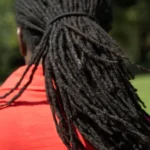
For Rastafarians, dreadlocks carry deep spiritual meaning. They reflect faith, identity, and personal devotion. Landor said his hair was part of his identity and described its removal as deeply personal harm.
What Took Place in Prison
In 2020, while serving a drug related sentence, Landor was transferred to Raymond Laborde Correctional Center in Louisiana. There, officers handcuffed him and shaved his head after he refused to cut his hair for religious reasons.
He had kept his dreadlocks for months during his sentence. Before the incident, he showed guards a court ruling that supported the rights of Rastafarian prisoners. Prison staff ignored the document and proceeded with the haircut.
Supreme Court Decision
The court ruled 6 to 3 against Landor. The majority said the Religious Land Use and Institutionalized Persons Act (RLUIPA) does not allow lawsuits for money damages against individual prison officials.
Justice Neil Gorsuch explained that Congress did not clearly give permission for personal liability under this law. Because of that, the case could not proceed in that form.
Dissenting View
The three liberal justices disagreed with the decision. Justice Ketanji Brown Jackson said the law exists to protect religious rights in prisons. She warned that inmates may now have no real way to seek justice when those rights are violated.
Wider Impact
The ruling limits how prisoners can hold individual officers accountable for religious freedom violations. It also raises questions about how effectively inmates can protect their rights inside state correctional systems.