Key Dispute Over Nuclear Access
Iran has pushed back against US claims that it agreed to allow international nuclear inspectors back into the country. Tehran said it has made no new commitments regarding inspections of its nuclear sites, including facilities damaged in earlier US and Israeli strikes.
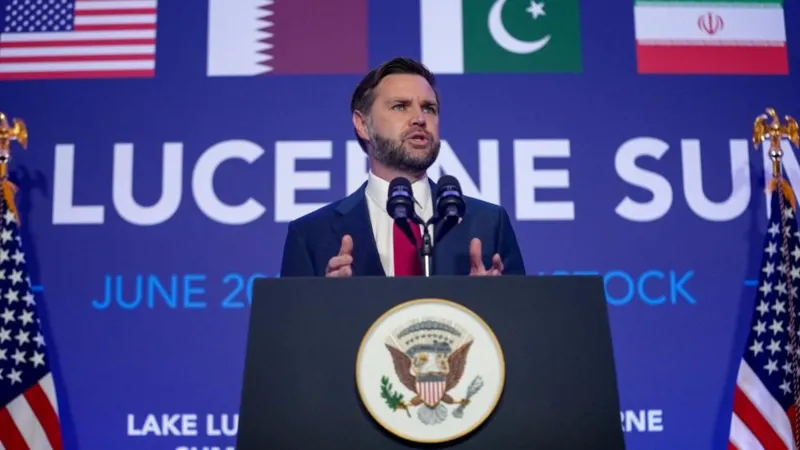
US Vice President JD Vance had said talks with the International Atomic Energy Agency could start “as soon as today” after recent negotiations in Switzerland. Iranian officials rejected this, saying no such agreement exists.
Foreign ministry spokesperson Esmaeil Baqaei stated that Iran has no plan to grant inspectors access to the damaged nuclear facilities.
Conflicting Statements After Switzerland Talks
Both sides gave different accounts after the first round of talks in Bürgenstock, Switzerland. The US described progress and a possible path toward a final agreement within 60 days. Iran, however, denied making any new commitments during the meeting.
Mediators from Qatar and Pakistan issued a joint statement saying the discussions created a roadmap toward a possible deal within two months.
Trump Claims and US Position
US President Donald Trump insisted that Iran had already agreed to full inspections, despite Tehran’s public denial. He warned that without such agreement, negotiations would not continue.
The US also said the talks had laid what it called a strong foundation for future discussions. Officials highlighted additional topics such as regional de escalation and maritime stability in the Strait of Hormuz.
Sanctions Relief and Oil Trade Shift
In a major policy move, the US temporarily eased sanctions on Iran. The decision allows Iranian oil and petrochemical exports to be sold in US dollars, a major change after decades of restrictions.
The 60 day waiver, issued by the US Treasury, permits oil production, sales, transport, and related banking and insurance services. It also allows direct import of Iranian crude into the US under specific conditions.
What Changes for Iran
The sanctions relief reduces barriers that previously limited Iran’s access to global markets. It simplifies financial transactions and shipping routes that were tightly restricted under earlier US policy.
However, the agreement remains temporary and tied to ongoing negotiations over a broader nuclear deal.