Syria has completed the formation of its new transitional parliament after Interim President Ahmed al Sharaa appointed the remaining 70 lawmakers. The move completes the 210 seat People’s Assembly and prepares the legislature for its first session next week.
The appointments mark another step in Syria’s political transition after the fall of former President Bashar al Assad in 2024. Officials say the new parliament will guide the country’s legislative work during the transitional period.
Final Appointments Complete the Assembly
The president selected the final 70 lawmakers after regional electoral colleges had already chosen the other 140 members last October. Officials designed the latest appointments to improve representation across different sections of Syrian society.
Among the newly appointed lawmakers, 15 are women. Another 13 members spent time in prison during the rule of Bashar al Assad. The government has not confirmed how many members belong to Syria’s religious and ethnic minority communities.
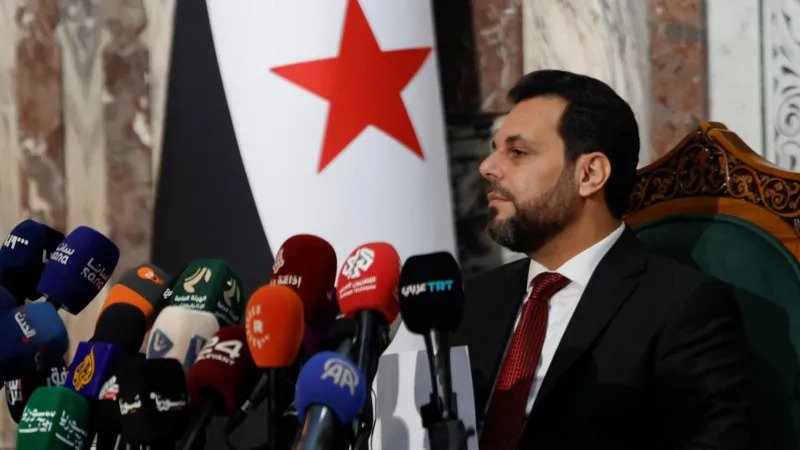
Mohammed Taha al Ahmed, chairman of the Higher Committee for the Syrian People’s Assembly Elections, said the appointments combine experience with the sacrifices made by many Syrians during years of conflict.
Parliament Aims to Represent Different Communities
According to election officials, the new lawmakers include academics, professionals, community leaders, experts, survivors of detention, relatives of people killed during the war, and victims of chemical attacks.
The appointments also cover all 14 Syrian provinces. Two of the newly selected lawmakers come from Suweida, a province with a large Druze population.
Officials believe this broader representation will strengthen national unity and ensure that different voices take part in the country’s political transition.
Delays Continue in Some Areas
Authorities have not held electoral college voting in Suweida because security conditions remain unstable. The province has stayed outside full government control since deadly sectarian clashes last July left around 1,700 people dead.
Election officials said they plan to organize voting there once conditions improve.
Authorities also delayed elections in parts of Raqqa and Hassakeh after government forces regained control of those areas from the Kurdish led Syrian Democratic Forces earlier this year.
Critics Question the Electoral Process
Several Kurdish political parties rejected the lawmakers selected through the electoral colleges. They argued that the process excluded important political groups and failed to provide fair representation.
Civil society organizations also raised concerns about the structure of the elections. They said the president’s influence over the Higher Committee and electoral colleges limits the independence of the parliament.
The groups also questioned the president’s authority to appoint one third of the assembly and replace lawmakers if seats become vacant. They warned that these powers could reduce the parliament’s independence.
UN Calls the Transition a Critical Moment
The United Nations continues to monitor developments in Syria. Last week, UN Deputy Special Envoy Claudio Cordone told the Security Council that the country’s transition has reached a critical stage.
He said Syria now faces both important opportunities and serious challenges as it works toward political stability and long term peace.
The new parliament is expected to begin its first session next week. Its decisions could play an important role in shaping Syria’s future during the country’s ongoing transition.