Welfare politics in India is changing fast
India has built a strong welfare system over the past decade. State governments now rely heavily on cash support, subsidised services, and targeted benefits. These include pensions, direct cash payments, student support, free or cheaper electricity, food support, and assistance for unemployed youth.
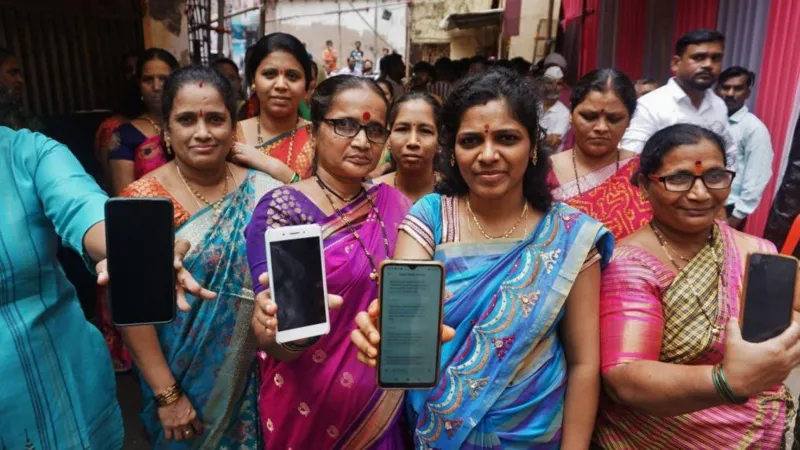
Women focused schemes have become especially important. In Maharashtra, women aged 21 to 65 receive a monthly cash support of 1500 rupees, around 16 dollars.
This shift did not belong to one political party. Almost every major party now uses welfare as a key election tool. It is no longer a political advantage. It has become a basic expectation.
Welfare is now common across all parties
Earlier, welfare programs helped certain regional parties win elections. That is no longer the case. Now, both national and regional parties compete by offering similar benefits.
Parties such as the DMK in Tamil Nadu, the Trinamool Congress in West Bengal, and the BJP in Assam all promote large welfare schemes. The competition is no longer about whether welfare should exist. It is about who offers more support and who delivers it better.
India now runs more than 2000 cash support programs across states. According to government estimates, states are expected to spend about 18 billion dollars on direct cash support in 2025 26, with a large share focused on women.
Why welfare alone is not winning elections anymore
Recent state election results show an important trend. Welfare programs alone are not enough to keep governments in power.
In Tamil Nadu, the DMK lost power despite being known for strong welfare delivery. In West Bengal, the Trinamool Congress lost after three terms even though it ran major women focused schemes. In Kerala, the Left Democratic Front also lost power despite wide welfare coverage.
Experts explain that welfare has become a basic foundation of politics rather than a winning factor. People now expect these benefits from every government.
Voters now look beyond welfare
Political analysts argue that welfare has become the starting point of competition, not the final reason to vote.
Coalitions of voters also play a stronger role now. In some regions, shifts in religious, caste, or community support have influenced outcomes more than welfare programs.
Women voters are also becoming a stronger force. This makes them central to welfare policies, but not automatically loyal to one party.
The new reality of election strategy
Political success now depends on combining welfare with broader governance performance. Infrastructure, employment opportunities, administrative trust, and leadership image matter more than before.