Rising Tensions Between US and Cuba
The United States has formally charged former Cuban president Raúl Castro with murder linked to a 1996 incident involving the shooting down of civilian aircraft by Cuban military jets. The move has fueled fresh debate about Washington’s long standing pressure on Havana.
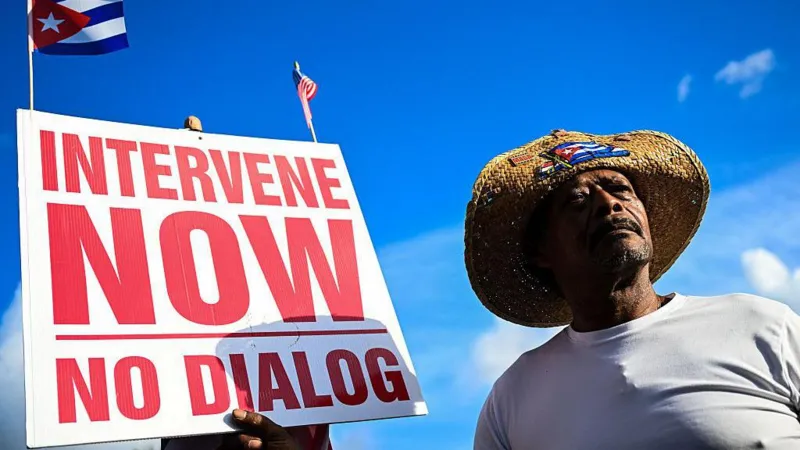
Many Cuban exiles in the United States support stronger action and even hope for a change in Cuba’s government. At the same time, officials in Washington continue to describe Cuba as a security concern located just 90 miles from US territory.
President Donald Trump has said he does not expect escalation, but his administration has also warned that it will not tolerate what it calls a hostile government so close to US borders.
Scenario One: Attempt to Detain Raúl Castro
One possible outcome is a direct US effort to detain Raúl Castro and bring him to trial in the United States. Supporters of this idea believe it could be justified by the recent charges.
Some US lawmakers, including Senator Rick Scott, have argued that strong action should not be ruled out. They have pointed to past operations as examples of what could be done if Washington decides to act.
One such example is Operation Just Cause, when US forces entered Panama in 1989, removed leader Manuel Noriega, and brought him into US custody. Another example is a reported US mission earlier this year in Venezuela targeting Nicolás Maduro, although details remain disputed.
Security experts say a capture operation in Cuba is possible from a military point of view. However, they also warn it would carry major risks. Raúl Castro is now 94 years old and has limited direct control, which raises questions about the impact of any arrest.
Scenario Two: Internal Political Strain in Cuba
Another outcome could be internal instability inside Cuba itself. The island is already facing severe fuel shortages and long standing economic pressure linked to sanctions and reduced external support.
If conditions worsen, public frustration could grow. This may create stress within Cuba’s political system, even without outside military action.
Experts argue that Raúl Castro’s current role is largely symbolic. While the Castro family has long shaped Cuban politics, day to day control now lies with other leadership structures. This means removing him would not automatically change the system.
Scenario Three: No Major External Action
A third possibility is that tensions rise but no major US operation follows. In this case, diplomatic pressure and sanctions continue while Cuba manages its internal challenges.
Officials in Washington may decide that military intervention carries too much risk. Instead, they could rely on economic pressure and political isolation.
Under this scenario, Cuba remains under strain but avoids direct confrontation. The situation stays tense, but without immediate escalation.