
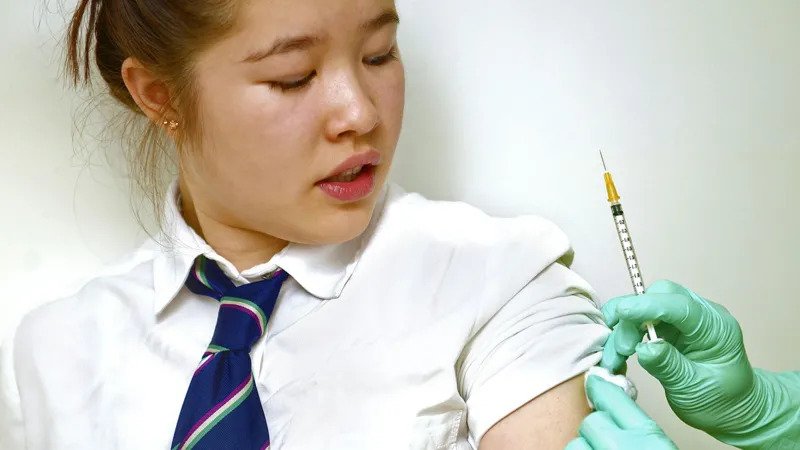
New research from the UK shows that the HPV vaccine is changing cervical cancer outcomes in a major way. Young women who received the vaccine at age 12 to 13 now face almost zero risk of dying from cervical cancer before age 30.
Experts report a sharp drop in deaths since the vaccine program started in schools in 2008. Around 200 lives have already been saved in England due to the vaccination rollout.
No Deaths Recorded in Young Age Group
Between 2020 and 2024, there were no cervical cancer deaths among women aged 20 to 24. This is the first time such a result has been recorded over a five year period.
Without vaccination, researchers estimate around 23 deaths would have happened in this age group.
HPV Link to Cervical Cancer
The vaccine protects against human papillomavirus infection, a virus linked to nearly all cervical cancer cases. HPV spreads through close skin contact and is very common.
Most infections clear naturally. However, some stay in the body and slowly cause cell changes that can turn into cancer over time.
Long Term Impact of Vaccination
Health experts expect cervical cancer deaths to keep falling as vaccinated groups grow older. More people will benefit as the vaccine coverage increases across future generations.
Even with strong progress, cervical cancer remains a serious health issue. Around 3300 women are diagnosed each year in the UK.
Doctors stress that both vaccination and regular screening are still important for protection.
Real Life Impact
One patient story shows the human side of the disease. A woman diagnosed at 30 described the emotional and physical impact of treatment. She later gave birth to a healthy child and now strongly supports vaccination for younger generations.
Her experience highlights how life changing cervical cancer can be, especially for those who missed early vaccination programs.
Health Experts Call for Higher Vaccine Uptake
Experts say the results are a major public health success. At the same time, they warn that vaccine uptake is still below the ideal level in some areas.
They encourage parents and young people to accept the HPV vaccine, as it offers long term protection against cancer.