
Early life and music career
Alan Greenspan was born in New York City on 6 March 1926. He was raised by his mother, who worked in a furniture store. He showed strong musical talent early in life and studied clarinet at the Juilliard School of Music.
He performed with well known jazz musicians, including Stan Getz, and toured with the Henry Jerome Band. During this period, he also developed an interest in business and economics while managing band accounts and studying in his spare time.
At the age of 19, he enrolled at New York University to study economics. This step shifted his career path from music to finance and policy.
Rise in economics and influence of ideas
Greenspan later worked as an economic consultant and joined the board of JP Morgan.He supported the idea that markets work best with limited government interference. In his early writings, he criticized large welfare systems and backed free market principles.
Leadership at the Federal Reserve
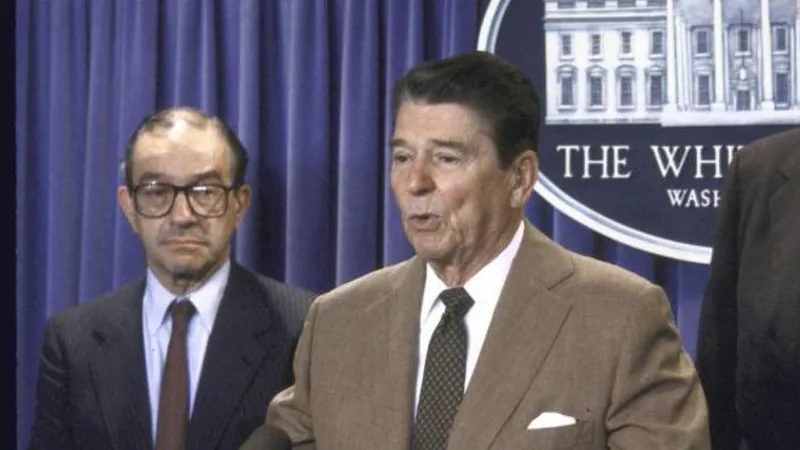
Greenspan became chair of the Federal Reserve in 1987 and held the position until 2006. His long tenure covered major economic events and strong growth periods in the United States.
Under his leadership, the United States experienced a long stretch of economic expansion. He became known for careful communication, and financial markets closely watched every statement he made.
Achievements and criticism
Supporters credit Greenspan with helping maintain economic stability and strengthening the credibility of the Federal Reserve.
Critics, however, argue that low interest rates and loose credit conditions contributed to financial imbalances. Some believe these conditions played a role in the dot com bubble and later housing market problems that led to the 2008 financial crisis.
Final years and death
Alan Greenspan died at the age of 100 due to complications linked to Parkinson’s disease. His wife confirmed the news in a public statement, describing him as a major figure who shaped economic policy across multiple administrations.