Overview of the Case
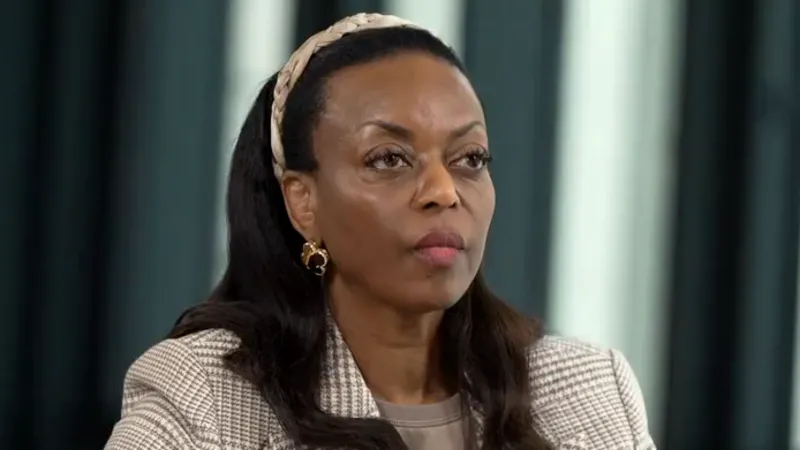
Diezani Alison Madueke, former oil minister of Nigeria, has spoken about the impact of a long legal investigation that ended with her being cleared of bribery charges in a UK court. She says the process caused lasting damage to her personal and professional life.
She served as Nigeria’s oil minister between 2010 and 2015 and also became the first woman to lead the global oil exporters group OPEC.
Claims of Reputation Damage
Alison Madueke says authorities damaged her reputation during a thirteen year investigation led by the National Crime Agency. She believes the process could have been handled in a fairer way.
She says she was restricted from travelling and working during this period. According to her, these restrictions affected her mental wellbeing and public image.
She described the experience as deeply painful and said it created long term psychological stress.
Court Outcome
She was found not guilty at Southwark Crown Court on five charges linked to bribery and conspiracy. The trial began in January and ended with her acquittal.
She was first arrested in 2015 but formal charges were not brought until 2023.
Prosecutors had accused her of receiving benefits from oil businessmen in exchange for contracts. These claims included luxury goods, cars with drivers, and use of expensive properties in London and Buckinghamshire.
Defence Arguments and Missing Evidence
Her legal team argued that the case was unfair from the beginning. They claimed that key documents supporting her defence were missing.
Alison Madueke said some receipts that could support her case were taken during a raid on her home in Abuja in 2015. She says she does not know what happened to them after that.
She also maintained that payments made on her behalf were later reimbursed by oil executives, which she says proves there was no wrongdoing.
Political Context and Reactions
Former Nigerian President Goodluck Jonathan, who appointed her, told the court that it was common practice for officials to have travel and accommodation covered by third parties during official duties.
Alison Madueke says responsibility for the case should be shared among multiple institutions. She believes both Nigerian and UK authorities should review how such investigations are handled.
She says the experience shows gaps in how evidence and procedures are managed across borders.