
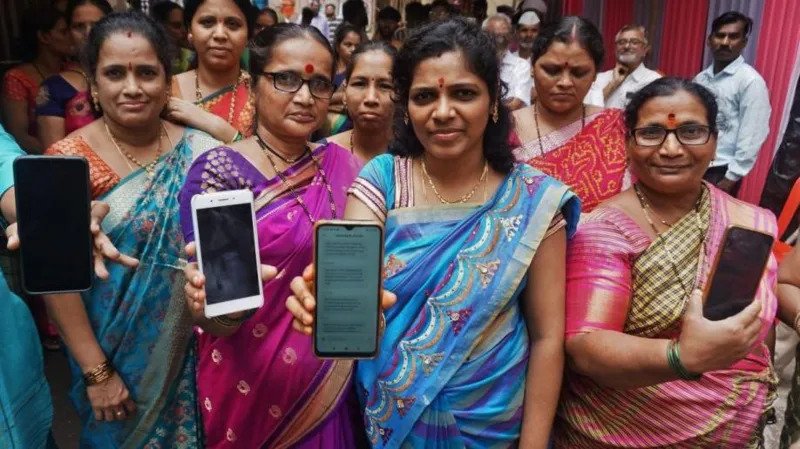
India is increasingly relying on direct cash transfer programs to support low income families and reduce poverty. Over the last decade, these welfare schemes have become an important source of financial support for women, farmers, and unemployed youth across the country.
Government spending on cash transfer initiatives has increased dramatically. Data from ProjectDEEP shows that funding has grown from less than $2 billion in 2015 to almost $30 billion today. These programs now account for nearly 1% of India’s gross domestic product and more than 10% of total social sector spending.
The expansion has been rapid. In 2019, only four Indian states offered regular cash transfer programs. Today, 17 states and the federal territory of Delhi provide monthly payments to eligible citizens.
Supporters say these programs help families manage rising living costs and economic uncertainty. Monthly payments generally range between 1,000 and 2,500 rupees, depending on the state. According to recent research, a typical transfer of 1,500 rupees can cover a large share of monthly expenses for low income households.
Cash Transfers Strengthen Household Spending
Economic experts believe these payments help maintain household consumption, especially during periods of inflation and economic pressure. Rising energy costs and weather related challenges continue to affect many families, particularly those dependent on agriculture.
For poorer households, the additional income provides financial stability and helps cover essential expenses such as food, transportation, education, and healthcare.
Growing Support for Unemployed Youth
Several state governments have also introduced programs aimed at unemployed young people. Around 10 states now provide financial assistance to job seekers, with many of these initiatives launched during the past three years.
Experts say these payments act as temporary support while young people search for employment. This has become increasingly important as technological changes and climate related disruptions create uncertainty in the job market.
Concerns Over Rising Government Spending
Despite their benefits, economists and policymakers remain concerned about the growing cost of these programs. India’s Economic Survey has identified cash transfer schemes as a major factor behind fiscal pressure in several states.
Many states running these welfare programs already face revenue deficits, raising questions about their long term sustainability. While the schemes provide immediate relief to vulnerable groups, governments must balance social support with responsible financial management.
The Road Ahead
Cash transfer programs have become a key part of India’s poverty reduction strategy. They offer crucial support to millions of people and help strengthen household spending during difficult economic conditions. However, as costs continue to rise, policymakers will need to find ways to maintain these benefits without placing excessive strain on public finances.