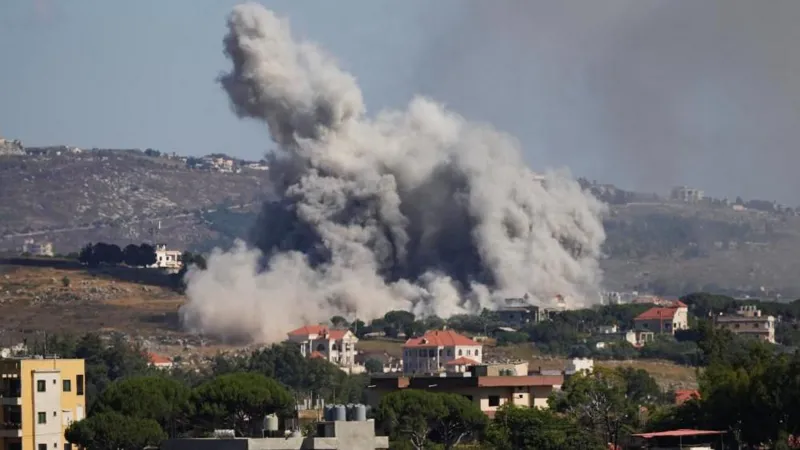
A ceasefire has reportedly been reached between Israel and Hezbollah, according to a United States official. The agreement follows days of intense fighting in southern Lebanon.
Heavy strikes before the ceasefire
Before the announcement, Israeli air strikes hit multiple areas in southern Lebanon. Local authorities reported 47 deaths and 97 injuries. Several of the victims were women and children, according to health officials.
Even after the ceasefire timing began, reports from Nabatieh suggested that air strikes continued in some areas. This raised concerns about whether the agreement is fully holding on the ground.
Ongoing clashes and military responses
Israeli forces stated they would continue targeting what they call immediate threats. They also said they would respond to any ceasefire violations by Hezbollah.
At the same time, Hezbollah said it carried out an ambush on an Israeli unit in southern Lebanon. The attack reportedly destroyed tanks and killed Israeli soldiers, including a battalion commander.
Political reactions across the region
The ceasefire comes as part of wider diplomatic efforts involving the United States and Iran. The goal is to reduce escalation in the region.
Reactions from leaders have been sharp. Israeli minister Itamar Ben Gvir called for strong retaliation after Israeli casualties. He warned of severe consequences for Lebanon.
Hezbollah leader Naim Qassem said the group has not been defeated and claimed Israel will eventually withdraw from Lebanese territory.
Iranian foreign minister Abbas Araghchi said any violation of the agreement would be blamed on the United States. He also accused Israel of pushing for continued conflict.
Tensions remain high despite agreement
Israeli prime minister Benjamin Netanyahu continues to face domestic pressure to maintain military operations. Meanwhile, Hezbollah says it will continue fighting if Israeli forces remain in southern Lebanon.
Although a ceasefire has been announced, fighting and air strikes reported in some areas show that the situation remains unstable.