
Kissing in public is a common sight in Spain. However, the nation’s ease with public adoration betrays an unexpected history of oppression and uprising.
In Spain, kissing is commonplace. Naturally, there’s the double-cheek kiss when you first meet someone. However, there are also romantic ones. On a crowded high street, I got trapped behind a middle-aged couple who stopped to kiss.
I’ve squeezed past inebriated revelers canoodling while pyrotechnics crackled during Valencia’s Las Fallas festival, and I’ve felt a twinge of nostalgia when I saw teenagers kissing in sun-drenched parks. Even my accountant uses “besos” (kisses) to end her correspondence.
Quick Fact
| Detail | Information |
|---|---|
| Main Topic | Public Displays of Affection in Spain |
| Location | Spain, Europe |
| Key Cultural Factor | Social openness and physical affection |
| Historical Period | Franco's dictatorship, 1939 to 1975 |
| Cultural Movement | La Movida Madrileña |
| Key Issue | Love, privacy and changing social attitudes |
| Key Takeaway | Public affection is widely accepted in Spanish society. |
Spain: A Culture of Public Kissing
I’ve lived in Spain for more than six years, and I’m accustomed to these public demonstrations of devotion. However, she saw them right away when a friend came back to Valencia after a vacation to Japan.
A pair snogging on a bench met her as she emerged from the train station. She was relieved to see it after her time in a nation where PDA is far less common. “I’m home,” she thought to herself.
I started to question whether kissing is indeed common in Spain. What can we learn about its society, history, and attitudes toward intimacy from these public demonstrations of affection?
Spain’s Culture of Closeness
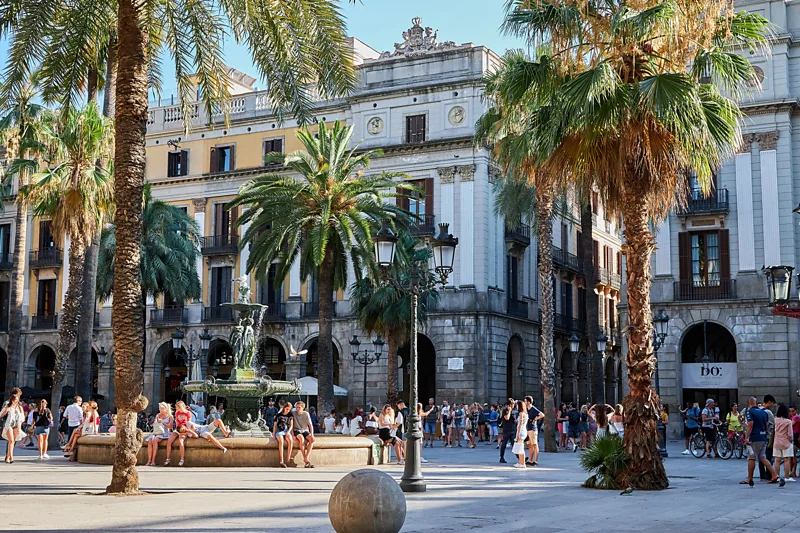
The way Spaniards utilize public areas might be one explanation. Everyday life occurs outside in parks, cafés, and busy streets in various sections of the nation.
Spain was among the nations that needed the least amount of personal space when meeting new people, even less than its southern Mediterranean counterparts Greece, Italy, and Portugal, according to a University of Warwick research. In the busy plazas of Spain, this trend is evident.
According to Amparo Lasén, a sociology professor at the Complutense University of Madrid, Spaniards are more likely than those from northern Europe to be physically expressive.
Love and Privacy in Public Space
It’s possible that Spaniards are more at ease expressing their emotions rather than being more loving than people from other cultures. Kissing in public isn’t always a romantic gesture; it’s just a common occurrence.
Living arrangements could also be important. The largest percentage of people in the EU—roughly 65% of the population—live in apartments in Spain, and rising real estate costs have made it more challenging for young adults to leave the family home.
Perhaps the most amazing thing about kissing in Spain is how commonplace it has become.
From Repression to Public Freedom
“I think kissing in public is very accepted in general,” she says. “Indoor and outdoor spaces are indistinguishable. Individuals act in the same manner both inside and outside of their private spaces.
In the past, sexual expressions were strictly regulated, even if PDA is a common sight in Spain nowadays. During Francisco Franco’s dictatorship (1939–1975), repressive laws and orthodox Catholic ideals governed public behavior, making homosexuality illegal and monitoring public displays of affection. Kissing in public might potentially result in fines for couples.
Spain had a significant cultural shift following Franco’s death in 1975. The vibrant counterculture in Madrid.