Why Keir Starmer Stepped Down
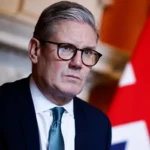
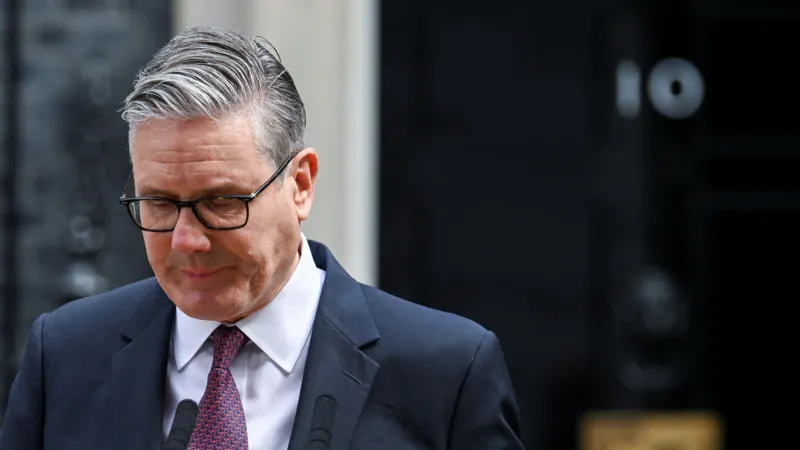
Keir Starmer has stepped down as Labour leader after months of growing pressure inside the party. Polling numbers had weakened, and internal disagreements continued to grow.
Concerns also increased after disputes around senior political appointments, including the decision linked to Peter Mandelson’s role as US ambassador. These issues created more tension within Labour.
Election results in Wales, Scotland, and parts of England became a major turning point. Labour performed poorly, and several senior politicians resigned soon after.
Wes Streeting left his position as health secretary, while other junior ministers also resigned. This showed growing instability inside the government.
Rising Internal Pressure and Party Conflict
Pressure increased as Andy Burnham gained support from Labour MPs and allies. His return to Westminster through a by election strengthened his position inside the party.
Starmer had previously blocked Burnham from standing in an earlier contest. After election losses, he no longer had enough support to maintain that position.
John Healey also resigned as defence secretary after disagreements over defence spending plans. This added to the sense of political strain within the leadership.
Burnham’s strong performance in Makerfield further increased calls for change.
How the Resignation Happened
Starmer initially said he would contest any leadership challenge. Later, he accepted that he did not have enough support from Labour MPs to continue.
He chose to resign but remain prime minister until a new leader is selected. This approach allows a controlled transition of power.
A nomination window has been set for early to mid July. Candidates must gain support from MPs and party organisations to enter the race.
Will There Be a Leadership Contest
A full leadership vote will only happen if more than one candidate meets the nomination requirements. If only one candidate qualifies, they can become leader without a vote.
Andy Burnham is currently seen as the strongest contender and already has wide support among MPs.
Wes Streeting has withdrawn from the race and has supported Burnham. This increases the chance of an uncontested leadership change.
If no rival candidate appears, Burnham could become leader and possibly prime minister in mid July.
What Happens Next for the Government
Starmer’s resignation creates uncertainty around several government plans. A major defence spending announcement may be delayed due to the leadership change.
A scheduled UK EU summit planned for late July has also been postponed.
No general election is required. The next leader of Labour would automatically become prime minister as long as they maintain support in Parliament.