A rapid rise followed by a sharp political fall
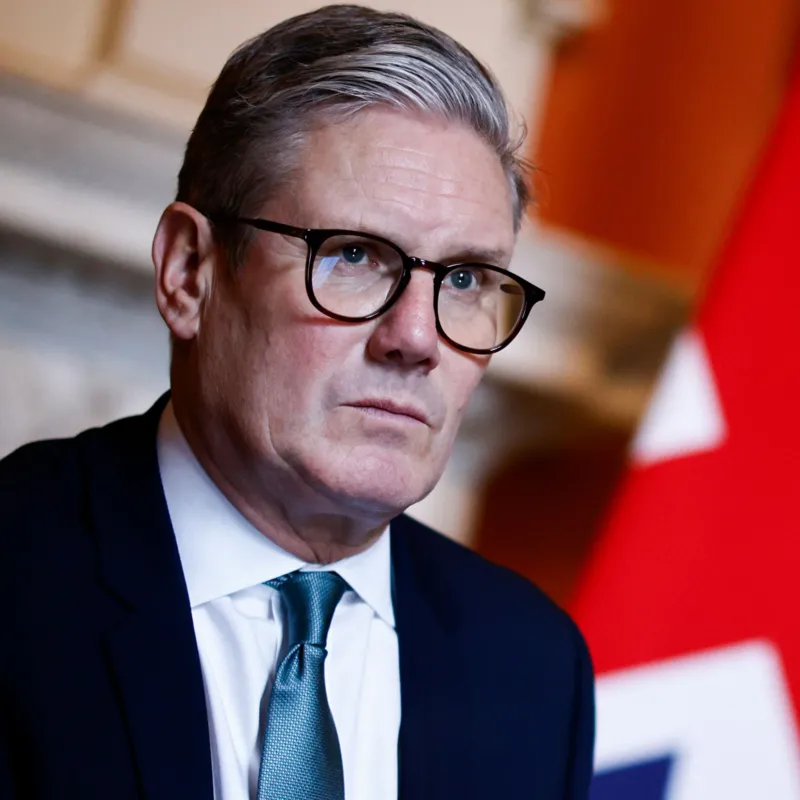
Sir Keir Starmer rose from a high profile legal career to become a leading figure in British politics. He entered politics later in life, becoming a Member of Parliament in his 50s after years working as a senior lawyer. His background set him apart from many Labour leaders who had spent decades building political careers.
In 2024, he led Labour to a major general election win. The victory gave the party a large parliamentary majority, placing him alongside historic Labour figures such as Tony Blair and Clement Attlee. However, the result came with a low share of the overall national vote, which raised early questions about his long term support.
Leadership style and public perception
Starmer presented himself as a practical and steady leader focused on national interest. He promised to rebuild trust in politics and guide the country into what he called a period of calmer governance.
Inside his party, opinions were divided. Supporters saw him as disciplined and serious, while critics argued he lacked a clear political identity. Some MPs believed his approach felt too controlled and lacked strong messaging.
His communication style also became a point of criticism. In an era where voters respond strongly to emotional and direct messaging, his calm and legalistic tone sometimes failed to connect with the wider public. This led to the nickname “Mr Rules,” reflecting his structured and procedural style.
Political challenges and loss of support
Soon after entering office, his popularity began to decline. A series of policy changes and political adjustments weakened public confidence. These shifts created uncertainty among voters and frustration within parts of his party.
Over time, internal pressure increased. Questions about leadership strength and electoral direction grew louder, especially as opinion polls moved against Labour.
Resignation and political consequences
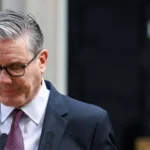
Facing mounting pressure from within his party, Starmer accepted that he no longer had full support. He announced his resignation in an emotional speech outside Downing Street, stating that he respected the decision of his parliamentary colleagues.
He agreed to remain in office until a successor is chosen. His departure marks a dramatic turnaround from the expectations that followed his 2024 victory, when he was seen as a long term leader for Labour.
His time in office is now viewed as unusually short for a prime minister who had entered power with such a strong parliamentary majority.