Iran Position on the United States Deal
Iran sees the agreement with the United States as more than a ceasefire. Tehran believes it has survived military pressure without collapse and kept its political system stable. This outcome allows Iranian leaders to present the situation as a win at home.
From the beginning, Iran did not aim to win a direct military fight with the United States or Israel. The main goal was to protect the Islamic Republic, keep leadership structures running, and avoid political breakdown. Officials now argue that the agreement supports that goal.
Main Terms of the Agreement
The memorandum of understanding signed separately by Donald Trump and Masoud Pezeshkian sets a sixty day negotiation period focused on Iran nuclear issues.
It also calls for an immediate stop to military actions across multiple fronts, including Lebanon. Both sides are expected to respect sovereignty and reduce escalation.
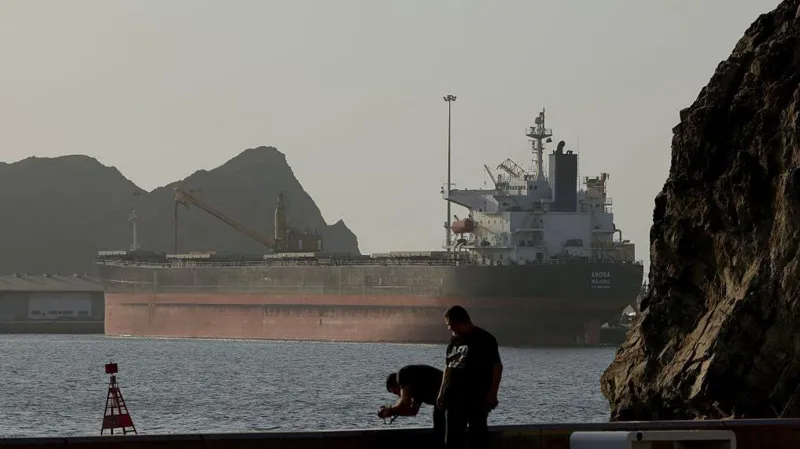
Key points include reopening the Strait of Hormuz and ending restrictions on Iranian shipping. Iran also agreed to support safe commercial passage in the region and confirm it will not pursue nuclear weapons.
Economic and Sanctions Relief Measures
The United States has committed to broader steps under the agreement. These include easing restrictions on Iranian oil exports, releasing frozen financial assets, and working toward reducing sanctions.
Washington is also expected to support a large reconstruction and development plan for Iran, valued at about three hundred billion dollars. These measures give Tehran strong political material to present the deal as a success.
Domestic Political Impact in Iran
Iranian leaders are using the agreement to show strength to their domestic audience. State media and political figures argue that the country has forced recognition of its position while gaining economic relief.
Reactions inside Iran remain quiet for now, but pressure may grow. Hardline groups may question any compromise on nuclear materials or enrichment levels, especially after public claims of victory.
Unresolved Nuclear Issues
The most sensitive topics remain open. These include enriched uranium stockpiles, nuclear enrichment limits, and damaged facility recovery. These issues will be discussed under high political pressure during negotiations.
If Iran accepts limits, critics may call it a retreat after claiming victory. If Iran refuses, the agreement could collapse and tensions could rise again.
Political Messaging and External Pressure
Mohammad Bagher Ghalibaf has framed negotiations in a firm tone. His message is aimed at both Washington and domestic supporters who expect a strong stance.
This internal messaging creates a risk for Iranian leadership. Expectations of total success could make compromise politically difficult.
Comparison With Earlier Agreement
The current framework is often compared with the 2015 nuclear deal. Some observers believe the new arrangement gives Iran economic relief while delaying deeper nuclear decisions, which could become a point of debate in Washington.