
Peace deal reshapes regional conflict
A new agreement signed between the United States and Iran sets out political, military, and economic changes after months of conflict. It follows a period of strikes that began in late February and led to heavy destruction across Iran and Lebanon.
Human and civilian toll grows
The fighting has already caused thousands of deaths. Many of the victims were civilians. Iranian cities lived under constant fear of air strikes, while regional instability increased across Lebanon and surrounding areas.
Strategic shift in power balance
The United States and Israel now face what analysts describe as a strategic setback. Iran survived a major joint military campaign aimed at weakening its leadership and military structure. Instead of collapsing, Iran strengthened its position.
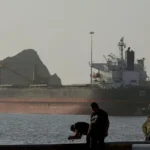
Iran also gained leverage through its ability to threaten the Strait of Hormuz, a key global shipping route that carries a large share of the world oil supply. This pressure pushed Washington toward negotiations.
Key terms of the agreement
The agreement includes steps to reopen the Strait of Hormuz for global shipping. In return, the United States plans to ease restrictions on Iranian ports and reduce sanctions.
Iran could regain access to oil export revenue and recover frozen financial assets held abroad. These changes aim to return both countries to conditions similar to those before the conflict began.
Political tension over Lebanon
The deal also calls for an end to fighting in Lebanon. Israel rejects this condition and wants freedom of action in the region. This disagreement is creating tension between Washington and Tel Aviv and strengthening voices inside Iran that oppose compromise.
Nuclear talks return to focus
After restoring basic shipping access, both sides are expected to resume nuclear negotiations. These talks were already underway before the conflict escalated.
Criticism from former US officials
Some former US officials argue that the agreement offers little real gain. They claim the Strait of Hormuz was already open before the war and say the outcome may strengthen Iran rather than weaken it.
Domestic political impact in Israel
The agreement may also affect Israeli politics. Prime Minister Benjamin Netanyahu faces growing pressure ahead of elections. Critics point to intelligence and security failures linked to past conflicts as a key issue for voters.
Leadership changes inside Iran
Iranian decision making shifted during the conflict. Earlier leadership showed caution about closing the Strait of Hormuz. However, after major attacks killed senior figures, newer leadership adopted a more aggressive stance.