
Labour MPs Push for Change After Election Losses
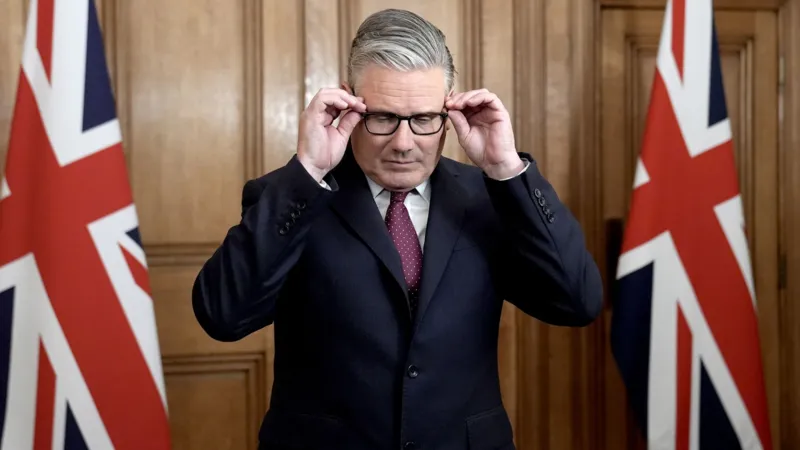
British Prime Minister Keir Starmer is facing one of the toughest moments of his political career as pressure inside the Labour Party continues to grow. Several Labour MPs and ministers are now openly questioning his leadership after the party suffered major losses in recent elections across the UK.
The political situation intensified after three government ministers resigned from their posts. Among them was Jess Phillips, whose departure added fresh pressure on Starmer’s government. Other resignations from ministerial aides have also increased concerns about unity within the party.
Cabinet Divisions Continue to Grow
During a cabinet meeting on Tuesday, Starmer made it clear that he does not plan to step down as Labour leader or prime minister. He reportedly challenged critics inside the party to formally launch a leadership contest if they want to replace him.
Despite criticism from many MPs, some senior ministers still publicly support Starmer. Housing Secretary Steve Reed and Work and Pensions Secretary Pat McFadden both confirmed they continue to back his leadership.
However, political observers noticed that Health Secretary Wes Streeting avoided commenting on the crisis as he left Downing Street. Many Labour members view him as a possible future leadership contender.
At the same time, Foreign Office Minister Jenny Chapman admitted discussions about Starmer’s future are taking place inside government circles. Still, she said no cabinet minister directly challenged him during the meeting.
More Than 80 MPs Call for Starmer to Quit
The rebellion inside Labour has continued to grow. Reports suggest more than 80 Labour MPs have either demanded Starmer’s resignation or urged him to announce a timeline for leaving office.
Senior figures, including Home Secretary Shabana Mahmood, are also said to be encouraging the prime minister to consider an exit plan.
Meanwhile, another group of more than 100 Labour MPs signed a statement asking colleagues to avoid a damaging leadership battle. They urged party members to remain focused on governing instead of creating more instability.
Election Defeats Triggered the Crisis
The current crisis began after Labour suffered heavy losses in local and regional elections last week. The party reportedly lost nearly 1,500 council seats across England. Labour also lost power in Wales and recorded its worst-ever performance in the Scottish Parliament elections.
Those disappointing results raised serious concerns about Starmer’s popularity and leadership strategy ahead of future national elections.
Political tensions also increased after criticism surrounding Starmer’s decision to appoint Peter Mandelson as the UK ambassador to the United States. Some Labour MPs questioned whether the move reflected poor political judgment.
Possible Successors Already Being Discussed
As pressure continues to rise, several names are being discussed as possible replacements for Starmer if a leadership contest begins.
Alongside Wes Streeting, Deputy Prime Minister Angela Rayner is considered one of the strongest potential challengers within the Labour Party.
Greater Manchester Mayor Andy Burnham also has support among some Labour members. However, he would first need to become an MP before officially entering a leadership race.
For now, Starmer remains in office, but growing resignations, internal divisions, and election setbacks continue to place his leadership under intense pressure.