
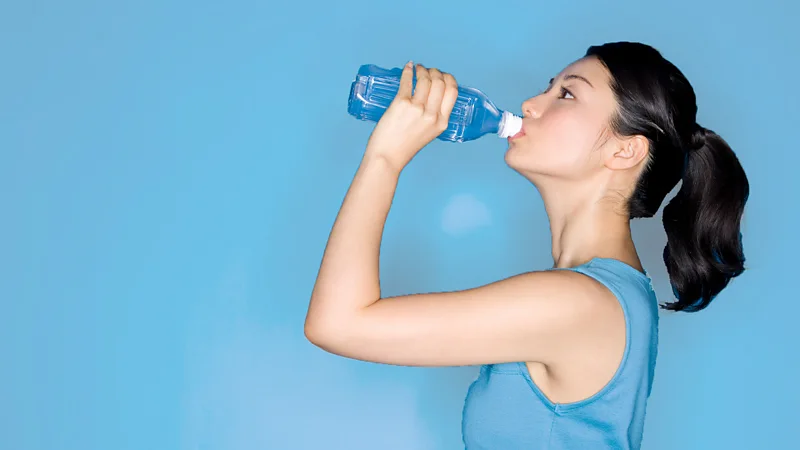
The Myth of Eight Glasses a Day
Many people have been told to drink eight glasses of water daily, but experts say this rule isn’t scientifically backed. Known as the “8×8 rule,” it recommends eight 240ml glasses, totaling almost two liters. However, UK and EU health guidelines do not set this as a requirement.
This advice likely comes from misinterpretations of older guidelines. In 1945, the US Food and Nutrition Board suggested adults drink one milliliter of fluid per calorie of food. That roughly equates to two liters for women and 2.5 liters for men. Importantly, this included all fluids, including tea, coffee, and water from fruits and vegetables.
How Our Bodies Stay Hydrated
Water is vital for our bodies. It makes up about two-thirds of body weight, helps transport nutrients, regulates temperature, lubricates joints, and supports chemical reactions. We lose water daily through sweat, urine, and breathing, making hydration a constant balancing act.
Experts emphasize that the body has sophisticated systems to maintain hydration. The brain senses dehydration and triggers thirst. Hormones signal the kidneys to conserve water by concentrating urine. According to Courtney Kipps, professor at the Institute of Sport, Exercise and Health, “If you listen to your body, it will tell you when it’s thirsty. Thirst is not an imperfect signal.”
Drinks Beyond Water
While water is the healthiest option, other beverages also hydrate. Tea and coffee, despite having mild diuretic effects, contribute to fluid intake. Even some alcoholic drinks provide hydration. The key is that our bodies usually signal how much fluid we need.
Health Benefits and Weight Management
There is little evidence that drinking more water than needed improves health. However, avoiding even mild dehydration offers benefits. Studies show proper hydration supports brain function and may help slow aging and prevent chronic diseases such as heart and lung conditions.
Some research also suggests drinking water before meals can support weight management. In one study, participants who drank 500ml of water before eating lost more weight than those who did not. Experts say this might be because mild dehydration affects mood, energy, and adherence to healthy habits like walking.
Signs of Dehydration
Dehydration occurs when you lose more fluids than you take in. Symptoms include:
- Dark yellow urine
- Feeling tired, dizzy, or lightheaded
- Dry mouth, lips, and eyes
- Urinating less than four times a day
Most commonly, thirst signals the need for water. Experts warn that the idea drinking water alone will dramatically improve skin or burn fat is not strongly supported by science.
Bottom Line
Your body usually knows when it needs fluids. Drinking water when thirsty and getting fluids from beverages and food is sufficient for most people. Overhydration is unnecessary and can even cause harm in rare cases. Listen to your body, drink when needed, and enjoy other hydrating beverages for variety.